
No, an air source heat pump runs between 40 to 60 decibels (dB) which is similar to the noise levels of a normal conversation or background music. There are quieter models designed to operate as low as 35 dB which is akin to a quiet library or a whisper.
Air Source Heat Pump installations and repairs

Your local Air Source Heating installers
Discover the ultimate in energy efficiency and eco-friendly heating with CERT. With the Boiler Upgrade Scheme, you can save £7,500 off the installation cost. Now is the time to enquire about heat pumps.
CERT are leading heating engineers in the East of England and are constantly striving to deliver the best possible service to our customers.
Our experienced engineers can provide expert information and advice if you are considering an air source heat pump. We can tailor the installation to your requirements, including installations in new builds, retrofit and hybrid systems. At CERT we have been installing air source heat pumps since 2015.
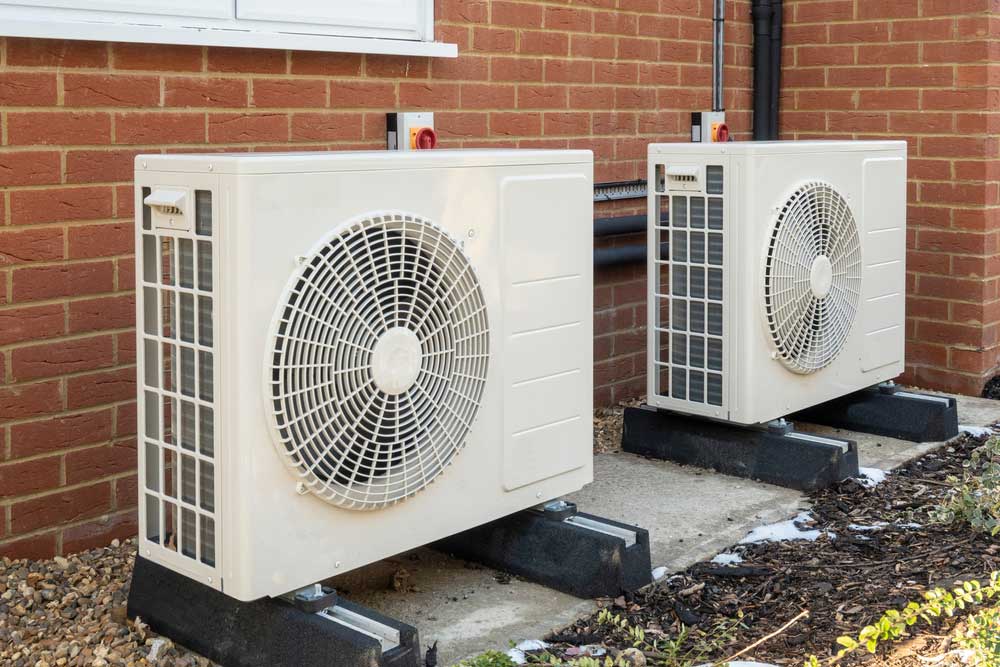
An air source heat pump extracts warmth from the air, providing reliable heating even in colder temperatures for consistent and efficient heating year-round. Upgrade to a heat pump and experience the perfect blend of cutting-edge technology and sustainability for your home or business whilst also lowering your home’s carbon footprint. For every unit of electric used the pump creates 3-4.5 units of heat output.
Get a quote for Air Source Heating today
Air Source Heat Pumps explained
Why should I choose an Air Source Heat Pump?
Here at CERT, we highly recommend them as a future-proof heating solution. ASHPs are incredibly efficient, extracting warmth from the outside air to heat your home and hot water, all while slashing your energy bills. They also have a significantly lower carbon footprint compared to traditional gas boilers, helping you reduce your environmental impact. Moreover, with government incentives currently available, installing an ASHP is a smart investment that will keep your home warm and comfortable for years to come. Let CERT guide you through the process – we specialise in ASHP installations and can tailor a system to perfectly suit your property’s needs.
How we install Air Source Heat Pumps
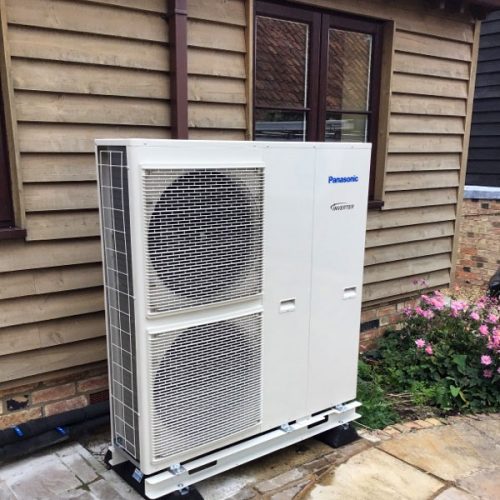
Our CERT engineer will measure and check existing radiators or underfloor heating during a site survey to ensure they are suitable sizes for the pump to work at maximum efficiency.
For an air source heat pump to supply hot water, a specific cylinder will need to be installed. These cylinders benefit from a larger coil size compensating for the lower temperatures the air source heat pump work at.
At CERT, we only install the very best boilers, control, and systems from manufacturers we trust and who make (in our opinion) units which are both efficient and long lasting.
The benefits of an Air Source Heat Pump
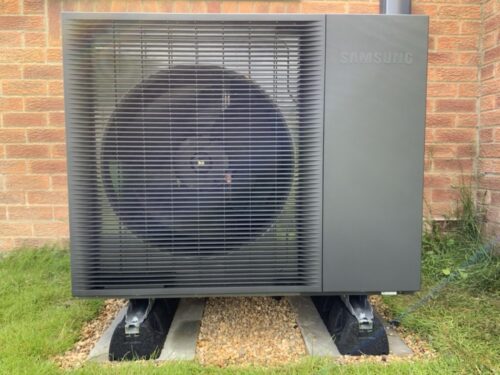
Air source heat pumps (ASHPs) are a revolutionary way to heat your home efficiently and sustainably. Here at CERT, we champion ASHPs for their numerous benefits. They extract heat from the outside air, even in cold British weather, and convert it into warmth for your home, resulting in significant energy cost savings compared to traditional electric heaters. Additionally, ASHPs boast a low carbon footprint, reducing your environmental impact and helping you create a more sustainable future for your home. If you’re looking for a cost-effective and eco-friendly heating solution, look no further than ASHPs!
Air Source Heat Pump FAQs
Yes, our team of engineers correctly design an air source heat pump to suit your specific needs.
An air source heat pump can be located in numerous outdoor locations including front or back garden and even wall mounted. Our engineer will discuss your specific location options with you on a site survey.
We specialise in the design, installation, and servicing of air source heat pumps (ASHPs), electric boilers and batteries for energy storage.
An air source heat pump (ASHP) operates by transferring heat from the outside air into a building to provide heating, and it can also work in reverse to provide cooling. The system consists of an outdoor unit with a fan that draws in air, an evaporator that extracts heat from the air, and a refrigerant that absorbs this heat. The heated refrigerant is then compressed, increasing its temperature, and circulated to an indoor unit where the heat is released into the building. Even in cold weather, ASHPs can extract sufficient heat from the outside air, making them an efficient and sustainable alternative to conventional heating systems.
Installation times vary depending on the complexity of the project and the specific requirements of your property. Our team will provide a detailed timeline during the consultation phase but typically the installation itself takes between 3 and 10 days.
Yes, there are several grants and financial incentives available, including the Green Homes Grant and the HUG. We can help you navigate these options and maximise your savings.
Yes, we offer comprehensive maintenance and servicing plans to ensure optimal performance and longevity of your green heating systems. Regular servicing helps prevent issues and maximise energy efficiency.
Yes, our team consists of highly trained and certified professionals with extensive experience in designing, installing, and servicing ASHPs.
Simply contact us to schedule a consultation. Our experts will assess your property, discuss your energy needs and goals, and provide personalised recommendations tailored to your requirements and budget.
The cost of an ASHP installation typically ranges from £7,000 to £14,000, depending on the property size and specific requirements. There are grants that you can apply for that could reduce the overall costs.
Battery storage systems typically cost between £2,000 and £6,000, depending on capacity and integration with existing systems.
Yes, schemes like the Boiler Upgrade Scheme (BUS) offer grants of £7,500 for ASHP and GSHP installations, and there are incentives for Solar PV and battery systems.
An ASHP installation typically takes between 3 to 10 days, depending on the complexity and any additional modifications needed.
Regular maintenance is essential for optimal performance. A simple annual check by the owner can help maintain optimal performance of an ASHP, while Solar PV systems and batteries require periodic checks.
Yes, renewable heating systems can often be integrated with existing heating infrastructure, though some upgrades might be necessary for optimal performance.
Renewable heating systems reduce greenhouse gas emissions, decrease reliance on fossil fuels, and promote the use of sustainable energy sources.
Renewable heating systems, such as ASHPs and GSHPs, can be significantly more efficient, providing 3 to 4 units of heat for every unit of electricity consumed.
Yes, modern renewable heating systems are designed to work efficiently in various climates, though performance can vary based on local conditions.
Contact us to schedule a consultation. We’ll assess your property, discuss your needs, and provide a tailored solution with an indicative quote.